


If you’re searching for how to get more links to your website, you already know great content isn’t enough on its own. Without other sites pointing to yours, Google has a hard time trusting your pages — and readers have no way to stumble onto them. That’s what backlinks fix: they’re links from other websites to yours, and they’re one of the clearest signals search engines use to decide which pages deserve to rank.
This guide walks through the methods that actually earn links today, in the order you should try them, plus the mistakes that can get your site penalized instead of ranked higher.
Quick Answer
The fastest, safest ways to get more links to your website are:
- Create something worth linking to — an original guide, data, or tool other sites want to cite
- Reach out directly — guest posts, digital PR, and journalist request platforms
- Reclaim links you’re already owed — unlinked brand mentions and broken links pointing to dead pages
- Get listed on relevant, niche-specific directories — not generic ones
Avoid buying links or joining link exchange schemes. Google’s guidelines treat both as manipulative, and getting caught can cost you your rankings rather than improve them.
What Makes a Backlink Actually Worth Getting
Not every link helps. Before you chase links, it’s worth knowing which ones are worth the effort.
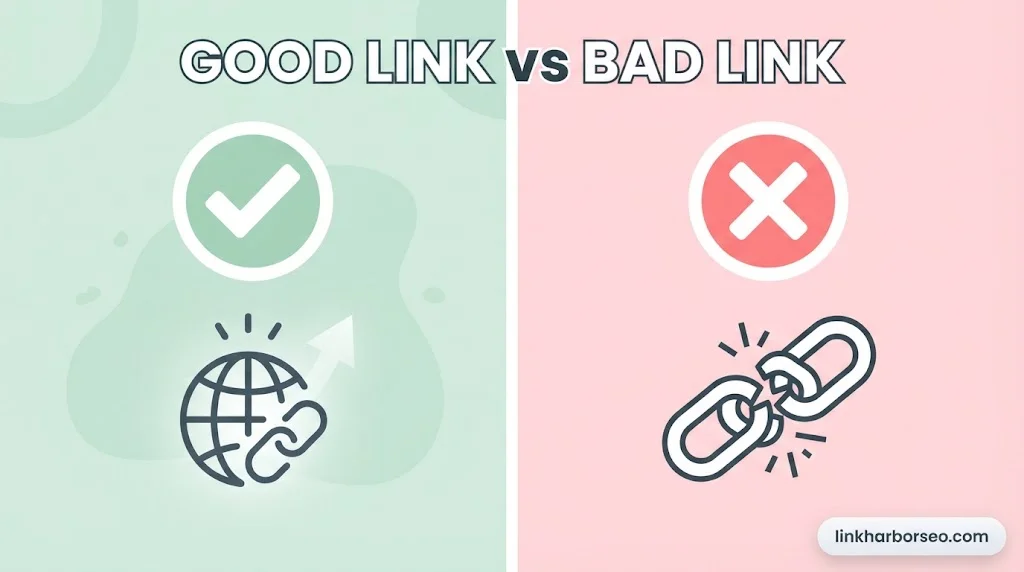
A good backlink comes from a site that’s relevant to your topic, has some reputation of its own, and links to you naturally — because your content was genuinely useful to their audience. A bad backlink comes from an unrelated, low-quality, or spammy site, or exists because someone paid for it or traded it in a link exchange scheme.
| Good backlink | Risky backlink | |
|---|---|---|
| Source | Relevant to your industry | Unrelated niche or topic |
| How it was earned | Natural citation or outreach | Paid, traded, or mass-submitted |
| Site quality | Established, real audience | Thin content, spammy directory |
| Anchor text | Varied, descriptive | Exact-match keyword, repeated |
Two other terms worth knowing: a dofollow link passes ranking value to your site, while a nofollow link doesn’t pass that value directly but can still send real traffic and visibility. You don’t need to chase dofollow links exclusively — a nofollow mention from a major publication is still worth having.
Where to Start If You Have Few or No Backlinks
If you’re starting from zero, don’t try every tactic at once. Start here:
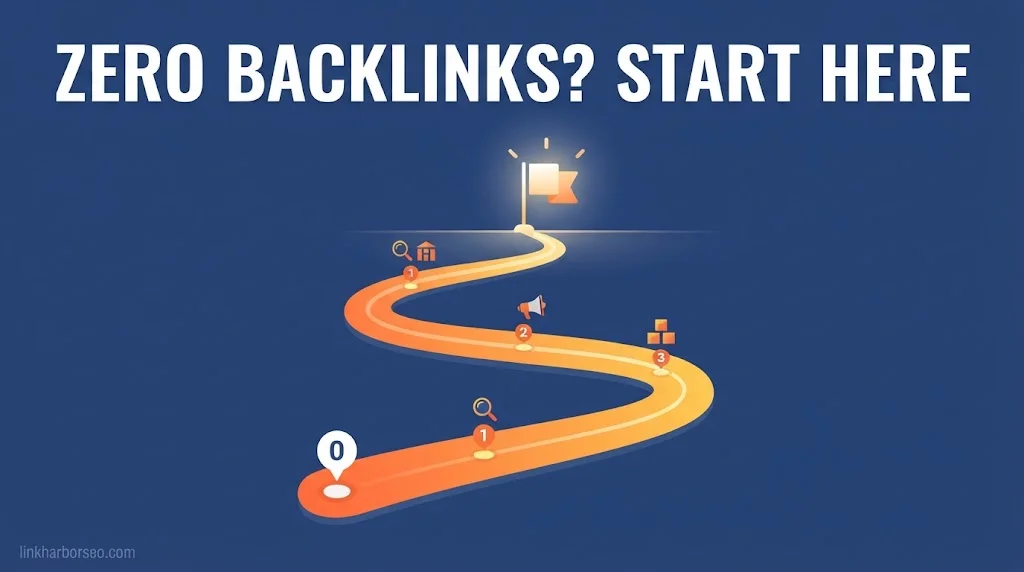
- Check what you already have. Google Search Console (free) shows which pages already link to you. This tells you where you stand and can surface unlinked mentions you didn’t know about.
- Audit your content for “linkable” material. Do you have a genuinely useful guide, or is everything short and generic? This determines whether outreach will work yet.
- Pick one or two tactics to start. Broken link building and unlinked mention reclamation (both covered below) require no new content, which makes them the fastest starting point for most small sites.
Create Content Other Sites Want to Link To
This is the foundation everything else builds on. Outreach only works if you have something worth citing.
A linkable asset is content that solves a real problem thoroughly enough that other people reference it instead of rewriting it themselves — an in-depth how-to guide, an original data set, a genuinely useful tool, or a resource page that saves people research time.
The difference between content that earns links and content that doesn’t usually comes down to depth and specificity. A short, generic post covering the basics rarely gets cited. A detailed guide that answers the exact question someone searched for — with steps, examples, and enough detail to actually act on it — is far more likely to get linked from other articles, forum answers, and resource pages.
Visual formats like infographics and video can help too, but they’re a multiplier, not a substitute. They tend to increase how much a piece of content gets shared, which can lead to more people seeing it and, in turn, more people linking to it — but the underlying content still has to be worth the attention.
Reach Out Directly for Links
Good content that nobody finds won’t earn links on its own. Pairing it with direct outreach speeds things up.
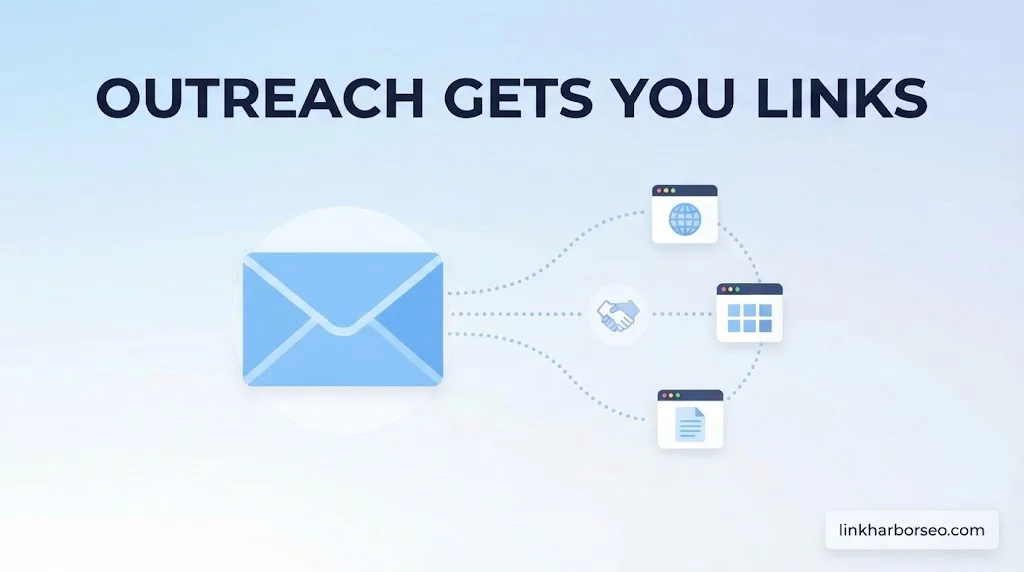
Guest posting. Write an article for a reputable site in your industry with a natural link back to your content. Focus on sites with a real audience and editorial standards — guest-post farms that will publish almost anything for a fee are the kind of link that can hurt more than help.
Digital PR and journalist request platforms. Reporters regularly need expert quotes, and if you can respond quickly with a specific, useful answer, you can end up cited — often with a link — in real publications. HARO (Help A Reporter Out) is the best-known platform for this. It shut down in 2024 under its rebrand, Connectively, but Featured.com acquired the HARO brand in 2025 and relaunched it in its original free, email-digest format. Qwoted is a comparable alternative worth checking as well. If you try this route, respond fast, stay specific to your actual expertise, and skip generic marketing language — journalists can tell the difference immediately.
Local and industry media. If you run a local or niche business, reporters and trade publications are often looking for local expert commentary. A quote or feature usually comes with a link back to your site.
Reclaim and Recover Links You’re Already Owed
Some of the easiest links to get are ones that almost already exist.
Unlinked brand mentions. If another site mentions your business or content by name but doesn’t link to it, that’s a quick ask. Search for your brand name, find the mention, and politely request that they add a link.
Broken link building. This one takes a bit more legwork but tends to convert well:
- Find a relevant website in your niche with outbound links to content that no longer exists (a broken link).
- Check whether you have — or can create — content that would be a good replacement.
- Reach out to the site owner, point out the broken link, and suggest your page as the fix.
It’s a genuine win for them (a fixed page) and a link for you.
Relevant directories and associations. Skip generic, mass-submission directories — they add little value and can look spammy. Focus on ones that are actually specific to your industry or location, like a Chamber of Commerce listing or a recognized trade association directory.
Link-Building Mistakes That Can Hurt You
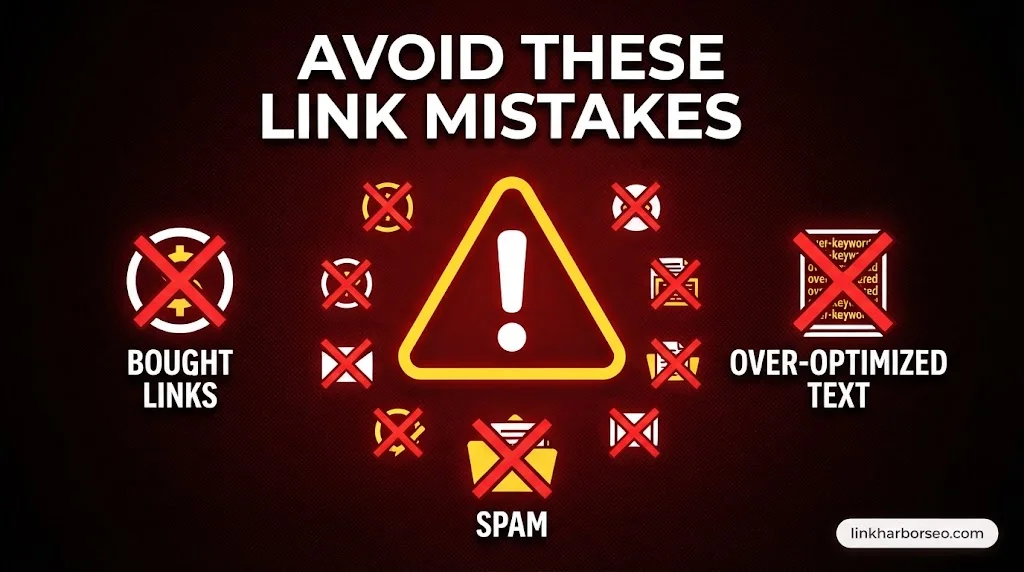
A few shortcuts are common enough that they’re worth calling out directly, because they can backfire.
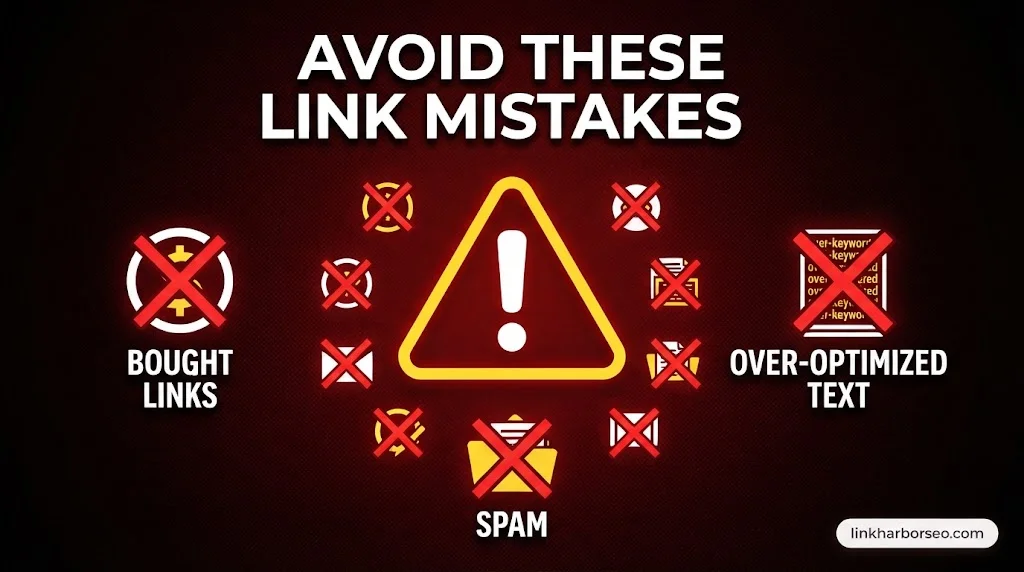
- Buying links. Google’s spam policies explicitly treat paid links (without proper disclosure tags) as a violation, and sites caught doing this can face a manual action that tanks their rankings.
- Large-scale reciprocal link exchanges. A few natural, relevant reciprocal links are fine. Organized “you link to me, I’ll link to you” schemes at scale are not.
- Over-optimized anchor text. Repeatedly using your exact target keyword as anchor text across many links looks manipulative rather than natural.
- Mass directory submissions. Submitting your site to hundreds of low-quality, irrelevant directories rarely helps and can associate your site with spammy neighborhoods online.
If you’re ever unsure whether a tactic is safe, Google’s own link spam policies are the most reliable source to check against.
FAQs
How many backlinks do I need to rank higher?
There’s no fixed number. What matters more is the relevance and quality of the sites linking to you than the total count. A handful of links from authoritative, relevant sites usually outperforms dozens from low-quality ones.
Is buying backlinks against Google’s rules?
Yes. Google’s spam policies classify paid links that pass ranking value (without proper nofollow/sponsored tagging) as link spam, and sites that engage in it risk a manual penalty.
Do nofollow links help SEO at all?
They don’t pass ranking value the way dofollow links do, but they can still drive real traffic, build brand visibility, and occasionally lead to future dofollow links from the same audience discovering your site.
How long does link building take to show results?
It varies widely by tactic and niche, but most methods — especially outreach-based ones — take weeks to a few months before you see meaningful results. Content-led link earning tends to compound over time rather than pay off immediately.
What’s the fastest way to get backlinks for a new website?
Reclaiming unlinked mentions and broken link building tend to work fastest for new sites, since they don’t require building an audience first — you’re asking for links that make sense right now.
Conclusion
The most reliable path to more backlinks combines one genuinely useful piece of content with direct outreach — not shortcuts like buying links. If you’re just getting started, run a quick Search Console audit, then try broken link building or unlinked mention reclamation first, since both need no new content to begin. Pick one tactic from this guide and take your first outreach step this week.

2 comments on “How to Get More Links to Your Website: 8 Methods That Actually Work”