


Most link building outreach emails get deleted within seconds. Editors and site owners see dozens of near-identical pitches every week, and their inboxes have gotten good at spotting them.
This guide breaks down the outreach strategies that still earn replies and real backlinks in 2026 — plus a few tactics most guides on this topic skip entirely.
What Is Link Building Outreach and Why Most Emails Get Ignored
Link building outreach is the process of contacting site owners, editors, and bloggers to earn a backlink to your content. It’s manual, personal, and built around one simple exchange: you offer something useful, they link to it.
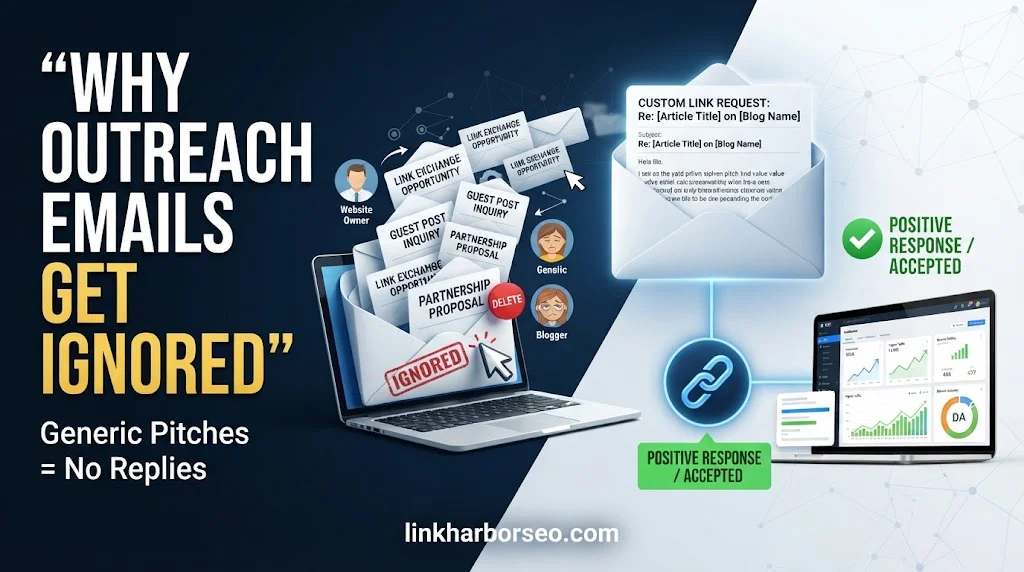
Most outreach fails for three predictable reasons. The pitch talks about the sender, not the reader. The target list is too broad to personalize. And there’s no real value on the table — just a request.
Backlinks remain one of Google’s clearest ranking signals going into 2026, and that hasn’t changed even with AI search reshaping how people find information. Google has confirmed through multiple channels, including the leaked Quality Rater Guidelines, that links expressed through PageRank remain a foundational ranking signal. What has shifted is quality control — Google’s algorithms have gotten far better at detecting unnatural link patterns, devaluing topically irrelevant links regardless of authority score, and discounting links from link farms. nightwatch
That’s the real reason outreach for backlinks has gotten harder. It’s not that links stopped mattering — it’s that sloppy, generic pitches stopped working.
How to Build a Link Outreach Prospect List That Converts
A strong link outreach strategy starts with the list, not the email. Send a great pitch to the wrong person and nothing happens.
Which sites should you target first?
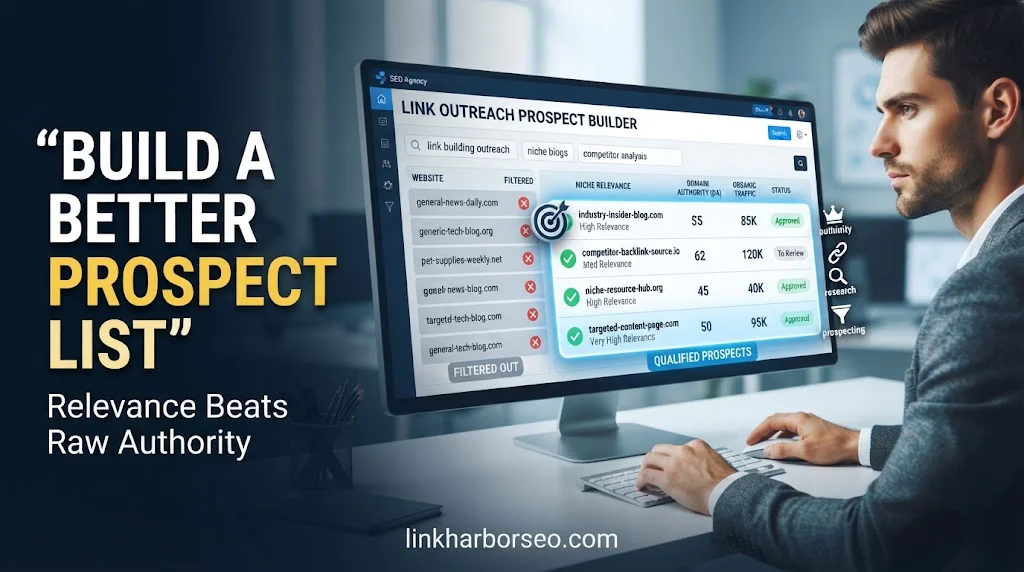
Relevance beats raw authority. A niche blog with a small, engaged audience often earns you a better ranking lift than a massive site that has nothing to do with your topic.
Three ways to build that list:
Check who links to your competitors.
Sites that already linked to a similar page have shown they’re open to linking to content like yours.
Search for resource and roundup pages.
Use search strings like “[topic] + resources” or “[topic] + useful links” to surface pages actively curating links on your subject.
Trace citations of shared data.
If you reference a study, find who else cited it. Those writers already care about the topic.
Who should you actually email?
Not info@ or contact@. Find the person who wrote the article or manages the content calendar. A byline search or a quick LinkedIn lookup usually gets you there faster than digging through a contact page.
Before you pitch anyone, run a quick quality check: is the site publishing regularly, does it link out to external sources at all, and does it get genuine organic traffic rather than inflated numbers? Skipping this step wastes both your time and theirs — and in 2026, it can backfire harder than before, since Google’s spam-detection systems now flag manipulative link patterns in near real time rather than months later.
Must Read: Link Building vs Content Marketing: 10 Powerful Differences You Need to Know
Outreach Email Frameworks and Follow-Up Sequences That Get Replies
A good backlink outreach email does three things: earns an open, earns a read, and earns a link. Each step needs its own hook.
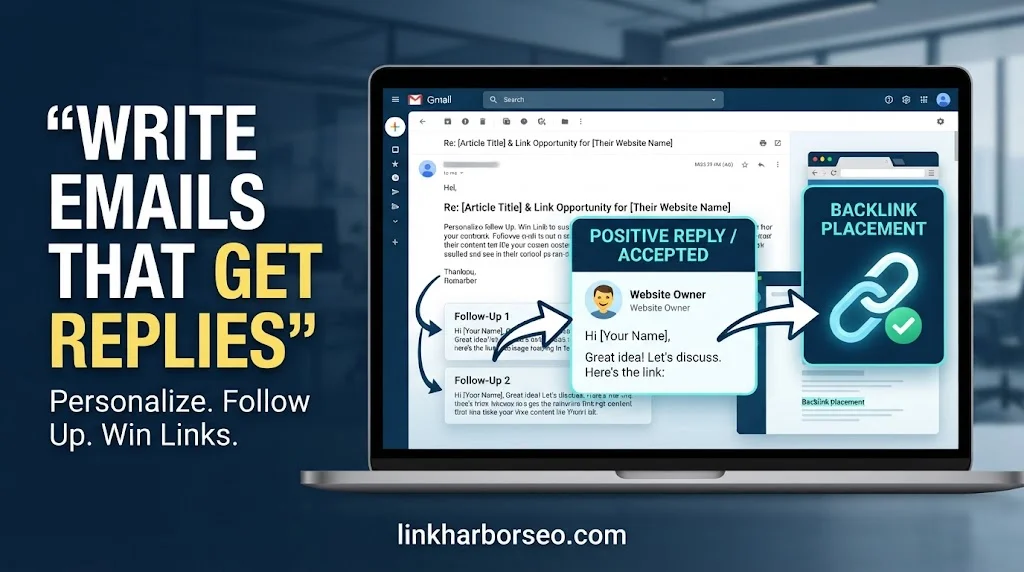
Structure your pitch around context, value, and ask.
Start with one sentence proving you actually read their content. Follow with the specific value your resource adds — new data, a missing angle, an updated stat. Close with a clear, low-effort request: name the exact spot your link fits.
Subject lines matter more than most writers think.
Specific, low-pressure lines like “quick idea for your [topic] post” consistently beat vague ones like “collaboration opportunity.” Anything that reads like a mass blast gets filtered mentally before it’s even opened.
Personalization has to be real, not decorative.
A line like “I love your blog!” signals you didn’t actually read anything. Real personalization references the specific article, the specific gap, and why this person specifically should care.
Most replies come from follow-ups, not the first email.
Wait three to five business days before your first nudge. Add something new each time — an updated stat, a fresh angle — instead of repeating the same ask. Two to three attempts is the limit. After that, move on.
One channel almost nobody talks about: a short, genuine comment or reply on the target’s LinkedIn or X post before you ever send an email. It doesn’t take long, and it turns you from a stranger into a familiar name before your pitch even lands.
Must Read: Link Building Outreach Strategies That Actually Get Replies and Backlinks in 2026
Advanced Link Outreach Tactics Most Guides Skip
This is where a link building outreach strategy separates from a basic template.
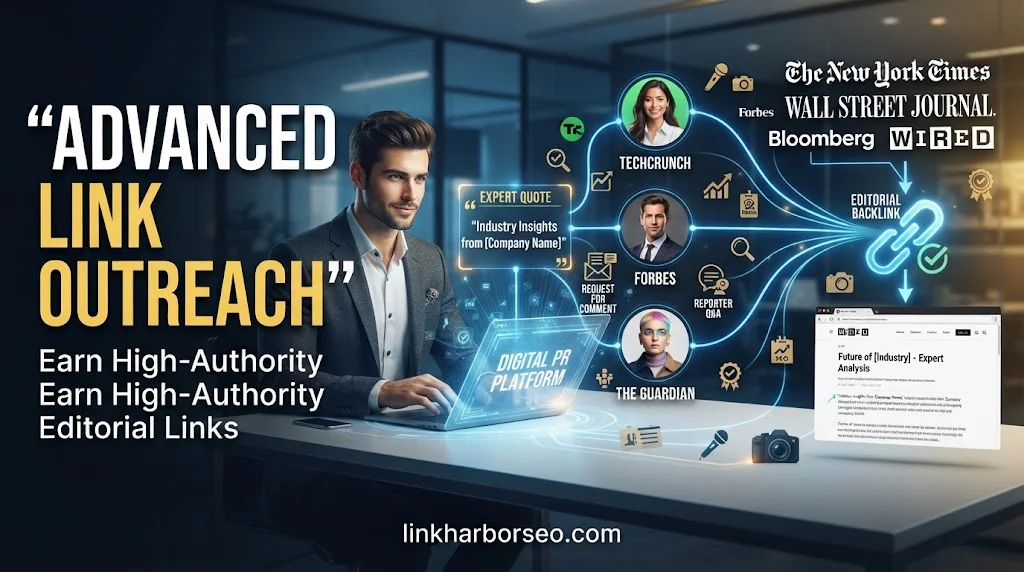
Digital PR through source-matching platforms.
With Connectively (formerly HARO) shut down, platforms like Qwoted and Featured now connect experts directly with journalists at outlets such as Bloomberg, Reuters, and The Wall Street Journal. Responding to a journalist’s request with a genuinely useful quote can earn a high-authority editorial link that a cold email never would. ahrefs
Long-tail, niche outreach.
For narrow topics with a small pool of relevant publishers, response rates run noticeably higher than broad campaigns — because the recipient can tell instantly whether you actually understand their niche or not. Generic personalization doesn’t survive in a small community; specific, informed personalization does.
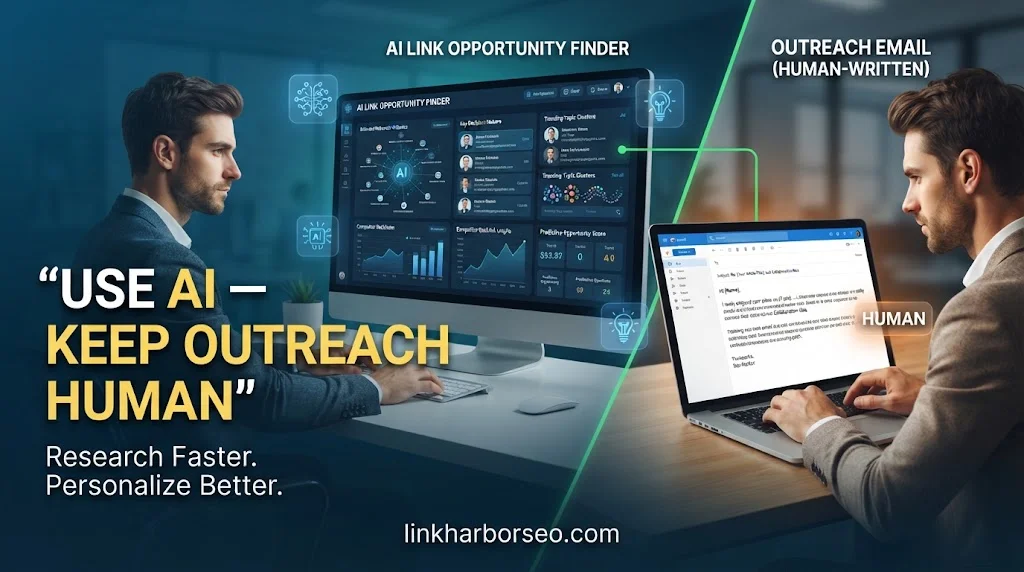
AI-assisted research without AI-sounding pitches.
Tools can speed up prospecting and drafting, but a pitch that reads like it was generated in bulk gets flagged by the same instinct that spots any other template. Use automation for research. Keep the actual message human.
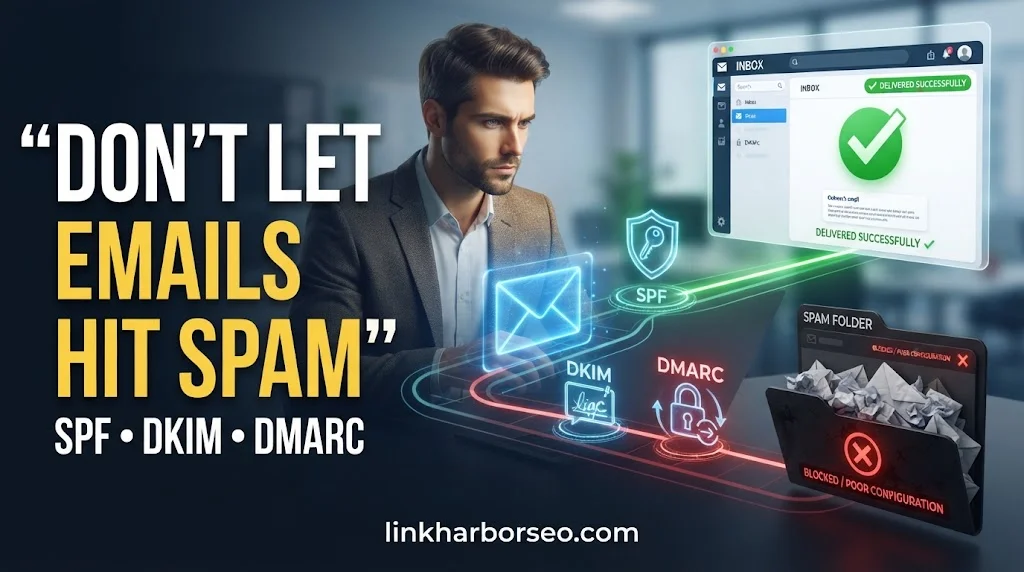
Deliverability is a ranking factor for your outreach itself.
Set up SPF, DKIM, and DMARC authentication before sending anything at scale, and warm up a new domain gradually. A well-written pitch that lands in spam never gets a chance to work.
Measure more than replies. Track your response rate, but also your placement rate — the share of positive replies that actually turn into a live link — and how long it takes from first contact to publication. Most editorial placements take two to six weeks. Knowing that keeps expectations realistic.
FAQs
Which SEO link building agency is the best?
There’s no single “best” agency — the right fit depends on your niche, budget, and whether you need manual outreach, digital PR, or a mix of both. Look for agencies that show real placement samples, avoid private blog networks, and are transparent about the sites they pitch to.
Is link building part of SEO?
Yes. Link building is one of the three core pillars of SEO, alongside on-page optimization and technical SEO. It focuses specifically on earning backlinks that signal trust and authority to search engines.
Are backlinks still relevant in 2026?
Yes. Backlinks remain one of Google’s strongest ranking signals heading into 2026, though the bar for quality keeps rising. Google’s spam-detection system now flags manipulative link patterns in real time, so relevance and editorial trust matter more than raw link volume. adogyadogy
What are the best tools for link building in SEO?
Common go-to tools include Ahrefs and Semrush for backlink analysis and competitor research, Hunter.io and Apollo for finding contact emails, and BuzzStream or Pitchbox for managing outreach at scale.
Conclusion
Link building outreach hasn’t gotten easier, but it hasn’t gotten impossible either. The teams that still earn backlinks in 2026 are the ones sending fewer, better-researched emails to the right people — not more emails to everyone. Start with a short list of genuinely relevant sites, write like a person, and follow up with something new instead of a repeat.

2 comments on “Link Building Outreach Strategies That Actually Get Replies and Backlinks in 2026”