


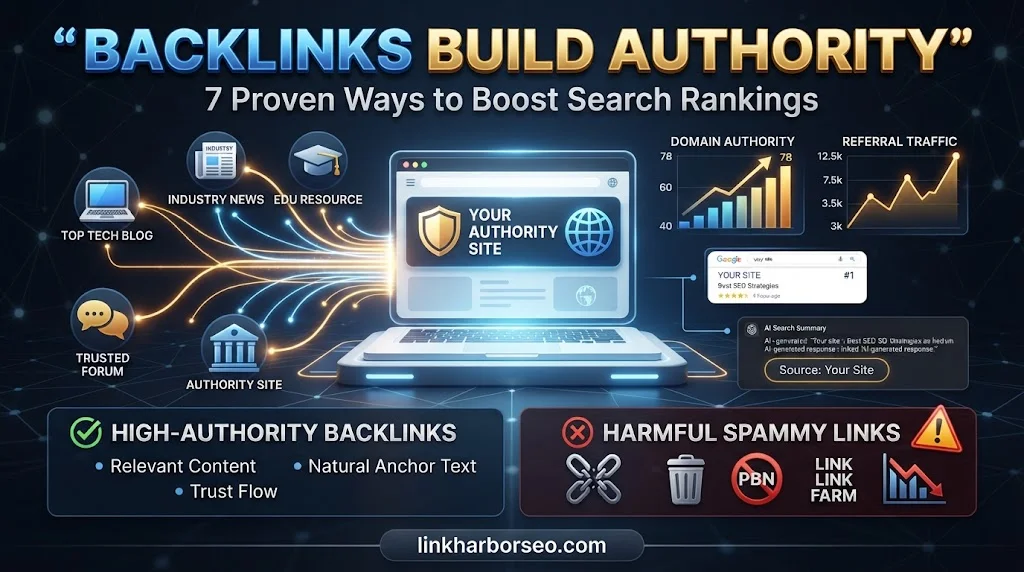
If you want your website to rank higher, you need more than good content. You need trust. And backlinks build authority faster than almost any other SEO signal, because they show Google that other sites vouch for you.
This guide breaks down exactly how backlinks build authority, what a strong link actually looks like, and seven proven ways to earn them without risking a Google penalty.
Why Backlinks Build Authority in SEO
What is the purpose of backlinks in SEO? A backlink is simply a link from one website to another. When a trusted site links to your page, search engines read it as a vote of confidence.
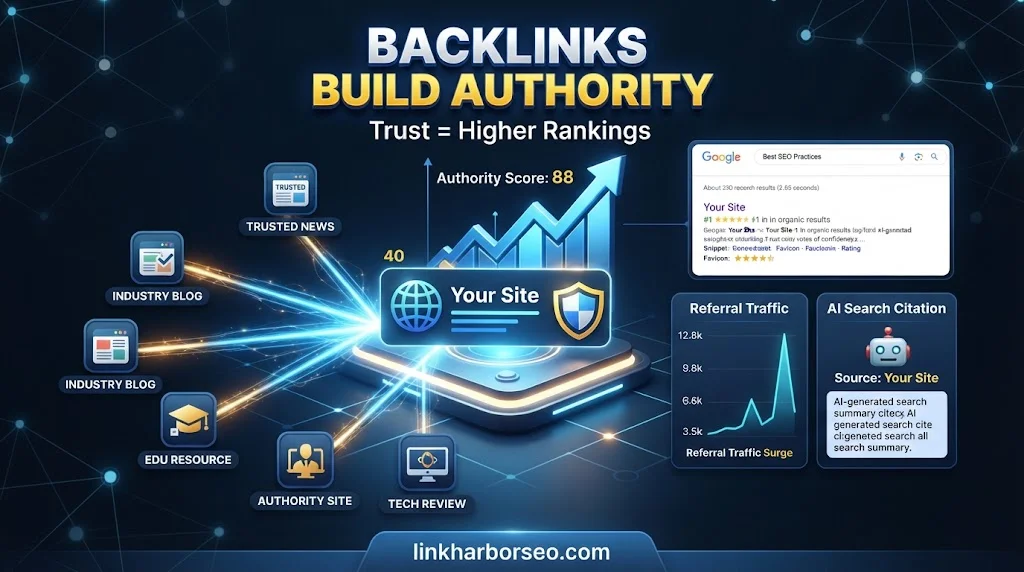
Google’s own PageRank system, first published in 1998, was built around this exact idea. It weighed links by the authority of the linking page, not just the raw number of links. That principle still shapes rankings today.
A single link from a well-known, relevant publication can carry more weight than fifty links from low-quality directories. This is why link authority depends on who links to you, not just how many links you have.
Backlinks also drive referral traffic. Someone reading an article on a trusted site clicks through to yours because the topic already interests them. That traffic tends to convert better than cold search traffic, since the visitor arrives with context and trust already built in.
There’s a newer layer too. AI search tools like Google’s AI Overviews, ChatGPT, and Perplexity lean on domain mentions and citations across the web to decide which sources to trust. A strong backlink profile now influences whether your brand gets cited in an AI-generated answer, not just whether you rank on page one.
Must Read: Link Strategy: 10 Powerful Tactics to Skyrocket Your SEO Rankings
What Are High-Authority Backlinks
What are high domain authority backlinks? They’re links from websites that search engines already trust, usually measured through metrics like Domain Rating (DR) or Domain Authority (DA).
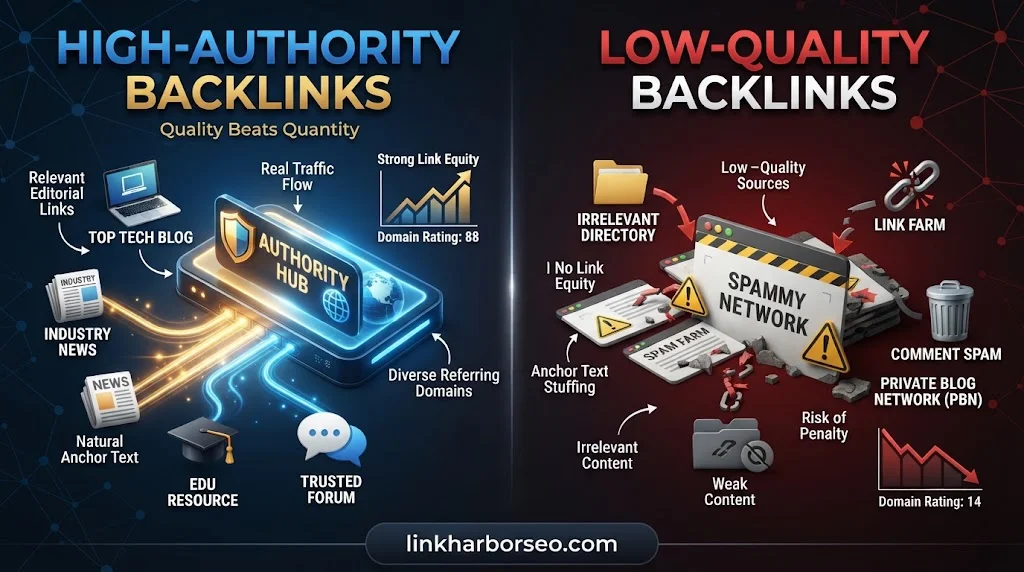
A few traits separate a high-authority backlink from a weak one:
- Topical relevance. A link from a site in your industry means more than a link from an unrelated niche, even if the unrelated site has higher authority.
- Real traffic and indexing. Links from active, indexed sites with genuine visitors carry more value than links from dead or thin pages.
- Natural anchor text. The clickable text should vary naturally. Repeating the exact same keyword phrase across many links looks manufactured to search engines.
- Referring domain diversity. Ten links from ten different relevant sites usually beats a hundred links piled onto one or two domains.
- Editorial placement. A link sitting inside genuine, useful content is worth far more than one dropped into a list of unrelated outbound links.
Together, these traits define link equity, the ranking value passed from one page to another through a link.
7 Proven Ways to Build Backlinks That Boost Authority
Earning strong backlinks takes a mix of tactics, not one single trick. Here are seven approaches that consistently work.
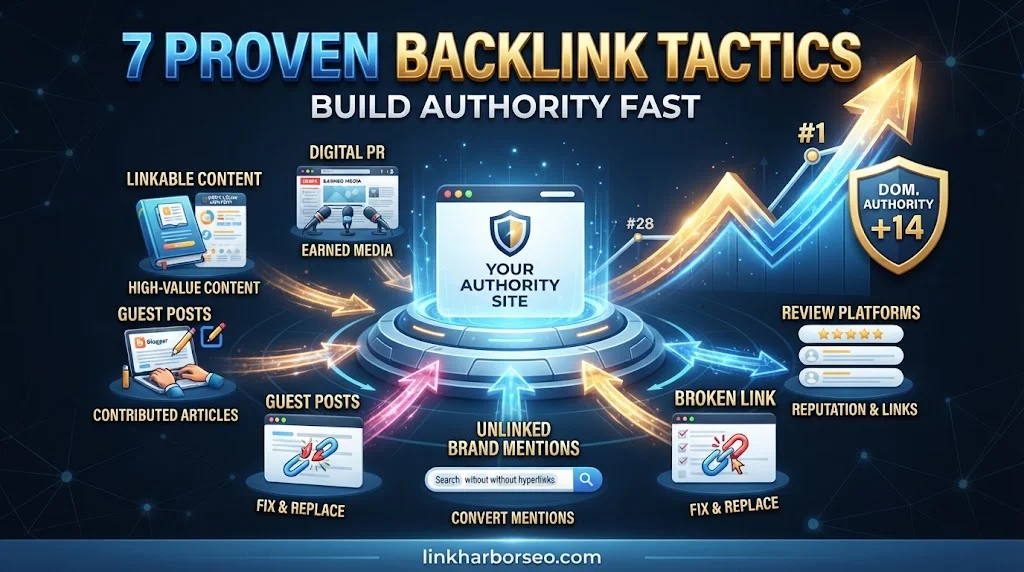
Create linkable content assets. Original research, in-depth guides, and free tools give other writers something worth citing. Long-form, data-rich content tends to attract far more organic links over time than short, generic posts.
Pursue digital PR and journalist outreach. Platforms like HARO and Qwoted connect experts with reporters looking for quotes. A specific, well-timed pitch can earn a link from a major outlet that would be nearly impossible to reach through cold outreach alone.
Write guest posts on relevant sites. Contributing a genuinely useful article to a publication your audience already reads earns a contextual link plus exposure to new readers. Quality matters far more than volume here.
Use broken link building. Find dead links on relevant resource pages, then suggest your own content as a replacement. Since you’re solving a real problem for the site owner, response rates tend to be higher than typical cold outreach.
Reclaim unlinked brand mentions. Many publications mention a brand by name without linking to it. A short, polite email asking for the link often works, since you’re requesting a small edit rather than a brand-new favor.
Get listed on resource and directory pages. Many education, association, and industry sites keep curated lists of helpful links. If your content genuinely fits, these pages are often an easy, low-friction win.
Build a presence on review platforms. Sites like G2, TrustRadius, and Capterra double as both a backlink source and a place buyers actually research before they contact a company. AI tools also cite these platforms when generating recommendations.
How to Measure Backlink Authority Impact
How to build high-authority backlinks? Start by tracking whether your efforts are actually working, not just counting new links.
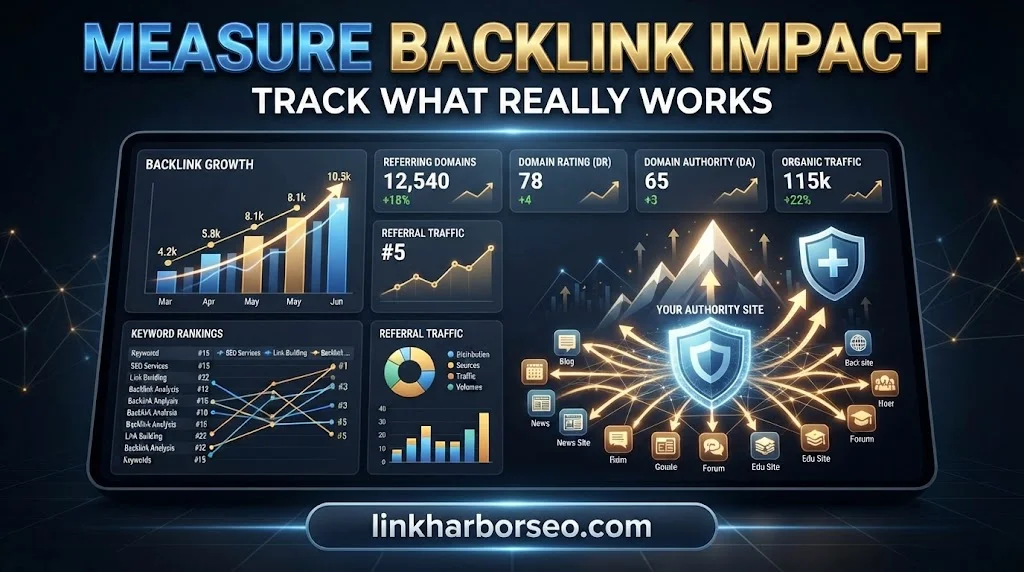
Watch these signals:
- Growth in referring domains, not just total links
- Movement in Domain Rating or Domain Authority over time
- Organic traffic to the pages receiving new links
- Keyword ranking improvements for target pages
- Referral traffic coming directly from linking sites
Tools such as Ahrefs, Semrush, and Moz’s Link Explorer let you track these metrics and see exactly which links are moving the needle. Most backlink campaigns take a few months before rankings shift noticeably, so patience matters as much as strategy.
Backlink Mistakes That Hurt Authority
Not every link helps. Some actively damage your rankings.
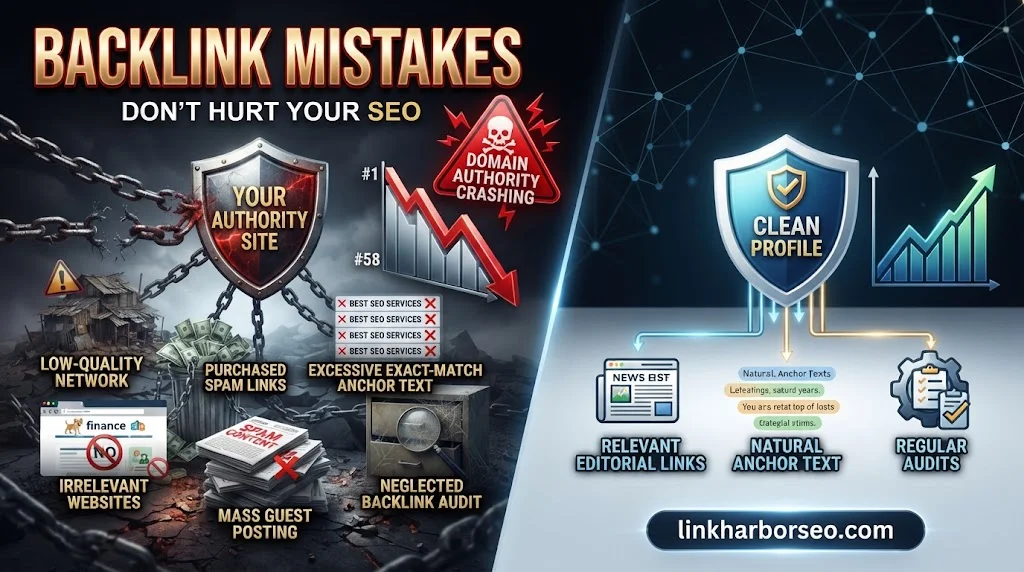
Buying links from low-quality networks violates Google’s spam policies and can trigger a manual action. Mass guest posting on sites that exist only to sell placements is another red flag Google’s spam systems are specifically built to catch.
Other common mistakes include stuffing exact-match keywords into anchor text, chasing links from completely unrelated sites, and treating link building as a one-time project instead of an ongoing effort. A backlink profile needs regular attention, including occasional audits to catch harmful or spammy links before they compound.
Are Backlinks Still Relevant in 2026
Are backlinks still relevant in 2026? Yes. Backlinks remain one of Google’s strongest ranking signals, and their role has actually expanded.
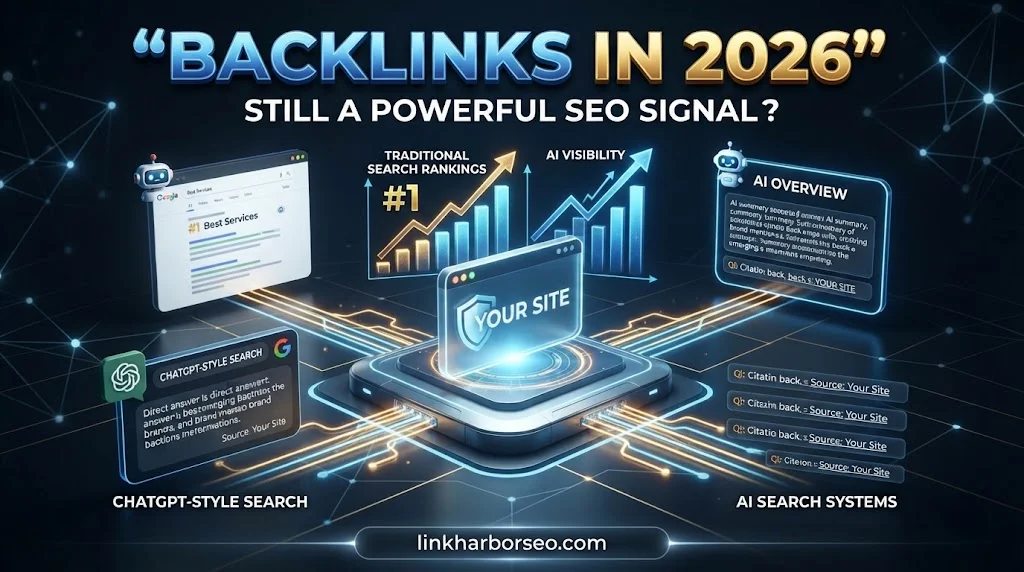
Search itself has changed. Buyers and researchers now get answers directly from AI Overviews, ChatGPT, and similar tools instead of always clicking through a list of blue links. These systems weigh how often a domain is cited and mentioned across the web when deciding which sources to trust.
That means a solid backlink strategy now does double duty. It still supports classic search rankings, and it also builds the kind of digital footprint that earns citations inside AI-generated answers. Businesses that keep investing in relevant, earned links are positioning themselves for both forms of visibility.
Conclusion
Backlinks build authority when they come from relevant, trustworthy sites, not from shortcuts or bulk link buying. Focus on earning links through useful content, real outreach, and platforms your audience already trusts, and both your rankings and your brand’s presence in AI search will grow together.
FAQs
How to build high-authority backlinks?
Create content worth citing, pursue digital PR through platforms like HARO, write guest posts on relevant sites, reclaim unlinked brand mentions, and get listed on trusted resource pages and review platforms such as G2.
Are backlinks still relevant in 2026?
Yes. Backlinks remain a top ranking signal for Google, and they now also influence whether a brand gets cited in AI Overviews, ChatGPT, and similar AI search tools.
What are high domain authority backlinks?
These are links from websites with strong trust metrics, such as high Domain Rating or Domain Authority, real traffic, topical relevance to your industry, and natural, editorial placement.
What is the purpose of backlinks in SEO?
Backlinks act as trust signals that tell search engines your content is credible and worth ranking. They also drive referral traffic and support discovery by AI-powered search tools.

Hey I know this is off topic but I was wondering if you knew
of any widgets I could add to my blog that automatically tweet my newest
twitter updates. I’ve been looking for a plug-in like this for quite some time and was hoping maybe you would have
some experience with something like this. Please let
me know if you run into anything. I truly enjoy reading your blog and I look forward to your new updates.