


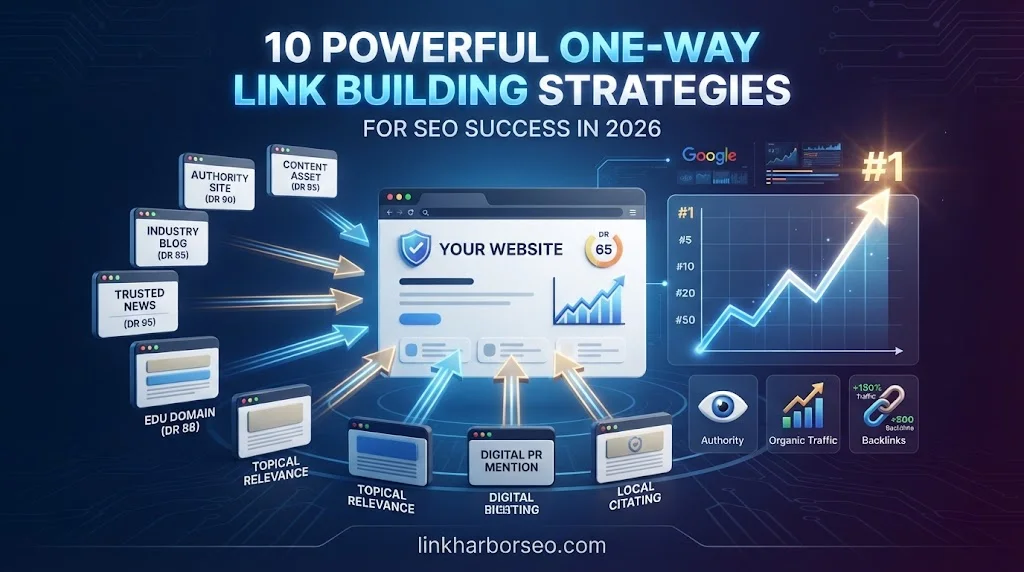
Pages ranking #1 on Google carry 3.8 times more backlinks than pages sitting lower on the results page, according to research from Ahrefs cited by Ecommerce Fastlane. That single number tells you almost everything you need to know about one way link building heading into 2026.
This guide breaks down what one-way links actually are, why they still carry weight with Google’s algorithm, and ten proven ways to earn them — including a few tactics most guides leave out entirely.
What Is One Way Link Building? (And Why It Beats Reciprocal Linking in 2026)
A one way link is a hyperlink that points to your website from another site, with no link sent back in return. It’s a one-directional signal, and that direction matters a lot to search engines.
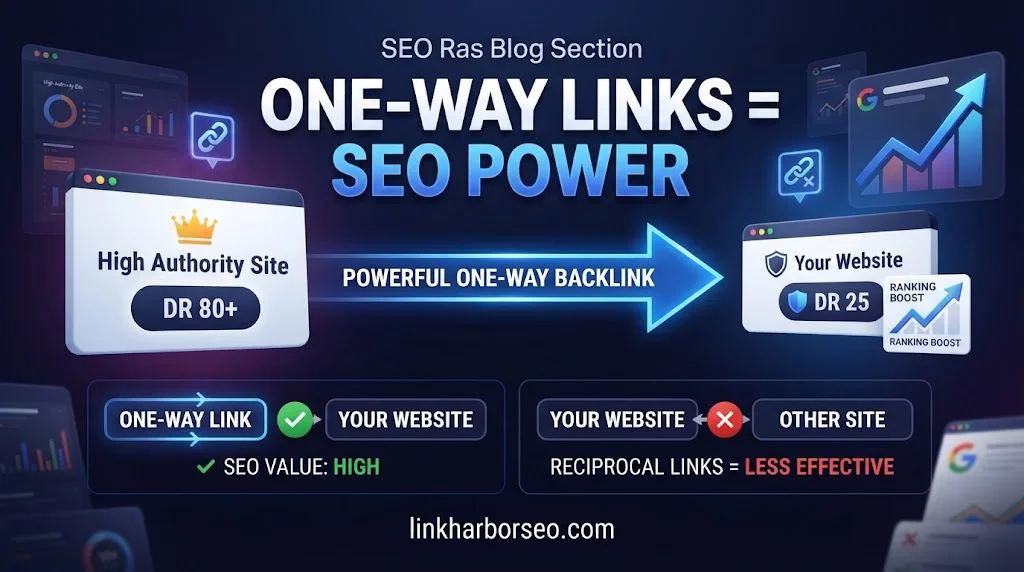
Think of it like a letter of recommendation. Someone vouches for you without asking for anything in return. That’s exactly what a one-way backlink does for your website. A site owner found your content valuable enough to link to it — no trade required.
Compare that to reciprocal linking, where two sites agree to link to each other. Google’s algorithms have grown far better at spotting these mutual arrangements, and 72% of SEO professionals now say the industry has shifted its full focus toward link quality, relevance, and authority over raw volume, per Single Grain’s 2025 industry survey.
There’s also paid links, which Google can flag as manipulative if they aren’t disclosed. One-way links avoid that risk entirely because they’re earned, not exchanged or bought.
The underlying concept here is link equity — often called “link juice.” When an authoritative page links to yours, a portion of its trust and ranking power passes to your site. One-way links transfer that equity cleanly, without splitting it back out through a return link.
Why One Way Backlinks Still Matter for SEO in 2026
Google has spent years saying links matter “less” than they used to. The data tells a different story.
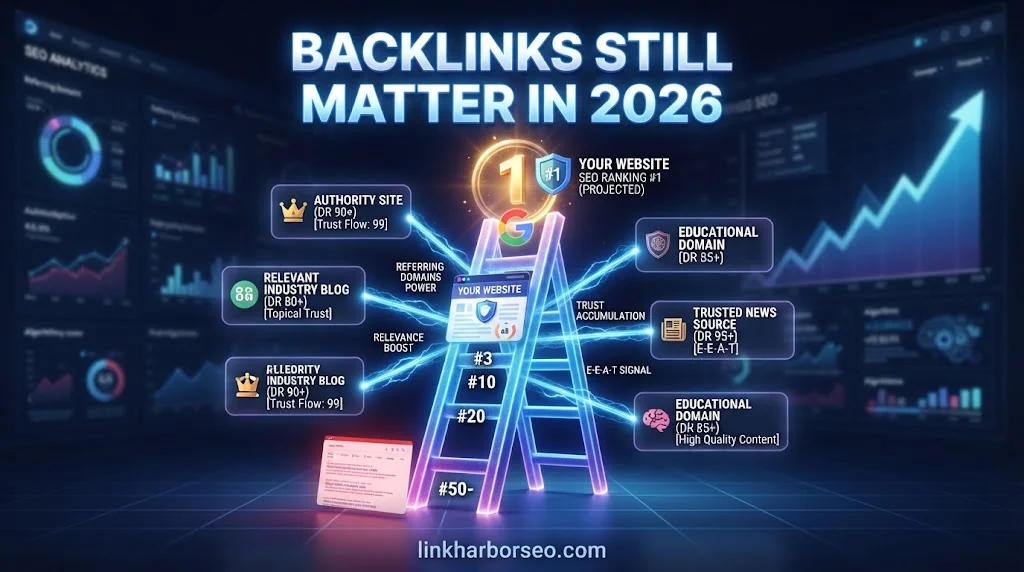
A large-scale study by SEO researcher Patrick Stox, analyzing over a million keywords, found a real, measurable correlation between rankings and the number of referring domains a page has, confirmed by Wisp’s 2025 analysis. Referring domains — meaning unique websites that link to you, not just link count — remain one of the strongest predictors of ranking position.
There’s a quality filter now, too. Relevance is the top factor SEO professionals use to judge a backlink’s worth, cited by 84.6% of respondents in a Seomator industry survey, ahead of both domain authority and referring site traffic.
Then there’s the AI layer. As AI Overviews and large language models pull answers directly into search results, the sites cited most often as sources tend to be the ones with strong, relevant backlink profiles. A link isn’t just a ranking signal anymore — it’s a trust signal that feeds into E-E-A-T (Experience, Expertise, Authoritativeness, Trustworthiness), the framework Google’s own quality raters use to judge content.
In short: one-way links still move rankings, but only when they come from real, relevant, earned sources — not shortcuts.
10 Powerful One Way Link Building Strategies to Boost Your SEO
Earning strong one-way links takes a mix of content, outreach, and patience. Here are ten methods that consistently work in 2026, ranked from foundational to advanced.
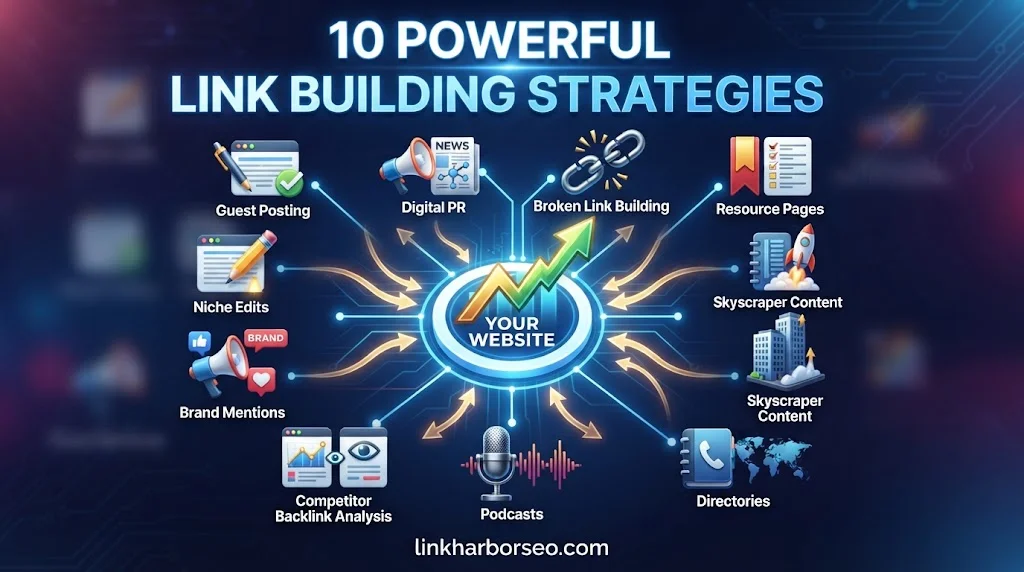
Guest Posting on Relevant, High-Authority Blogs
Write an original article for a site in your niche. In exchange, you typically get a contextual backlink placed naturally within the body text — the strongest possible position for a link, since links buried in footers or sidebars carry far less weight.
Digital PR and Journalist Outreach
Pitch data, expert commentary, or original findings to journalists and publications. A single mention in a trusted news outlet can outweigh dozens of smaller links, because editorial links from established media carry outsized authority.
Broken Link Building (Link Reclamation)
Find dead links on other websites and suggest your own working page as a replacement. It’s a genuine favor to the site owner, which makes this one of the easiest white hat tactics to get approved.
Resource Page Link Building
Many websites maintain curated “resources” or “further reading” pages. If your content genuinely fits, a short, direct pitch can land you a permanent, highly relevant link.
Skyscraper Content and Original Data
Publish something nobody else has: original research, a proprietary survey, or a uniquely detailed guide. Long-form content over 2,000 words generates 56% more backlinks than shorter posts, according to the same Ecommerce Fastlane research cited earlier. Data-driven content is inherently more “linkable” because writers need a source to cite.
Local Business Directories and Citations
Listings on platforms like Google Business Profile, Yelp, and niche local directories create citations — mentions of your business name, address, and phone number (NAP) — some of which include a direct link back to your site.
Expert Roundups and Podcast Appearances
Contribute a quote to an expert roundup, or appear as a guest on an industry podcast. Show notes and roundup posts almost always link back to contributors, and this tactic doubles as brand exposure.
Competitor Backlink Gap Analysis
Study which sites link to competitors in your space but not to you. These sites have already shown interest in your topic area, making them warm, relevant outreach targets.
Unlinked Brand Mention Reclamation
Sometimes a site mentions your brand or product without linking to it. A quick, polite email asking them to add a link can convert an existing mention into a full backlink — often one of the fastest wins available.
Niche Edits (Contextual Link Insertions)
This involves securing a link placement inside an already-published, relevant article rather than creating new content. Done carefully with genuinely relevant, high-quality pages, it can be an efficient way to gain contextual backlinks without a full content production cycle.
How to Build One Way Links for Local SEO
Local link building relies less on outreach volume and more on consistency and community presence.
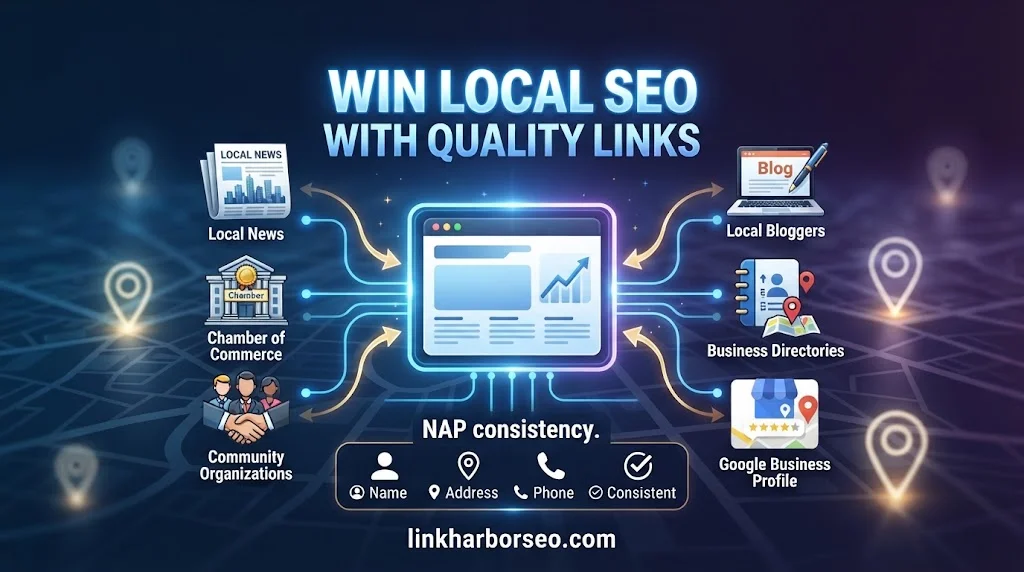
Start with NAP consistency — making sure your business Name, Address, and Phone number appear identically across every directory and citation source. Google uses this consistency to verify your business is legitimate, and inconsistent NAP data has been identified as one of the top negative ranking factors in local search, according to Moz’s Local Search Ranking Factors research.
Beyond citations, look for links from local news outlets, chamber of commerce websites, community sponsorships, and local bloggers who cover your area or industry. These sources are naturally relevant by geography, which search engines weigh heavily for local intent searches like “near me” queries.
Your Google Business Profile itself won’t hand you a traditional backlink, but it strengthens the overall trust signals that support your local link-building efforts and keeps your NAP data anchored to one authoritative source.
How to Choose a One Way Link Building Service
If you’re outsourcing this work, know what a legitimate provider actually does before signing anything.
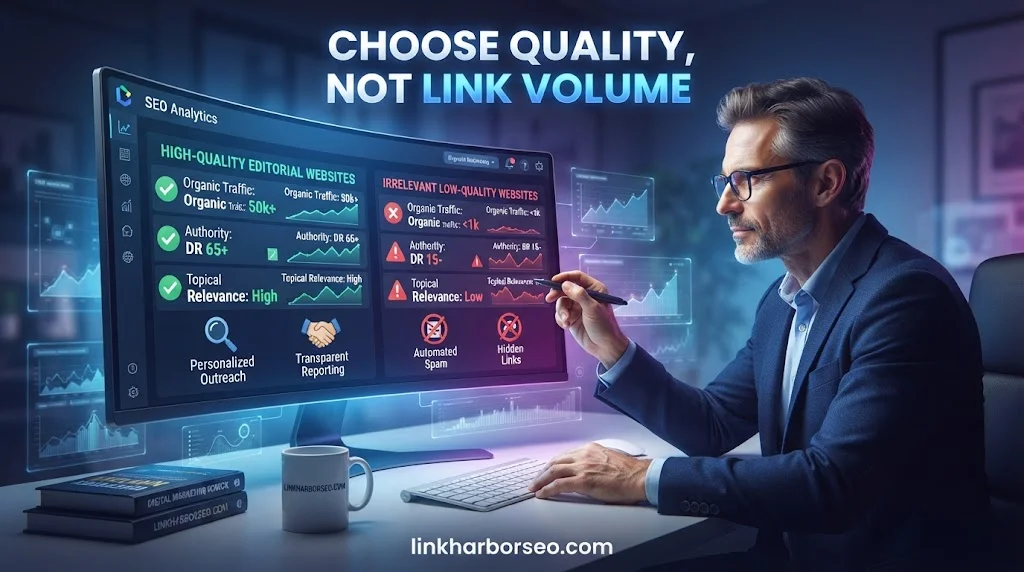
A proper link building service should include prospect research, personalized outreach, content creation or matching, and transparent reporting on where each link was placed. Ask for real metrics — Domain Authority, organic traffic to the linking page, and topical relevance — not just a promised link count.
Watch for warning signs: guaranteed high volumes of links delivered fast, flat pricing regardless of site quality, or placements on completely unrelated websites. These are hallmarks of automated link building, which relies on software rather than human outreach and tends to produce exactly the kind of low-quality, manipulative link patterns Google’s Penguin-era updates were built to catch.
Manual, relationship-based link building takes longer, but it protects your site’s reputation and produces links that actually hold up over time.
FAQs
What is link building in SEO?
Link building is the ongoing process of getting other websites to link to yours. Search engines treat these links as votes of confidence, using them to judge how authoritative and trustworthy your site is on a given topic.
What are links in SEO?
In SEO, a link (or hyperlink) is a clickable connection from one web page to another. Links help search engines discover pages, understand relationships between content, and pass authority — often called link equity — between sites.
What is a build link?
A “build link” refers to any backlink actively earned or created through link building efforts, such as guest posts, outreach, or directory listings, as opposed to links that appear naturally on their own.
How can I build links for local SEO?
Focus on consistent NAP citations across directories, earn links from local news sites and community organizations, and keep your Google Business Profile accurate. Local relevance matters more than volume for location-based searches.
Conclusion
One-way links remain one of the most reliable ways to build real authority in Google’s eyes, especially now that relevance and trust outweigh sheer link count. Focus on earning links through genuine value — strong content, real outreach, and accurate local citations — and the rankings tend to follow.

2 comments on “One Way Link Building: 10 Powerful Strategies to Boost Your SEO in 2026”